Posts

Showing posts with the label identity-level therapy

After Trust Breaks, Everything Feels Like a Clue

Image
Feature image for the ShiftGrit Pattern Library: After Trust Breaks, Everything Feels Like a Clue. Identity-Level Therapy framework, ShiftGrit Core Method (TM) and Reconditioning. Experiencing a betrayal, especially in close relationships, can make formerly neutral moments, like a partner's face-down phone or a delayed reply, suddenly loom as suspicious. The aftermath can feel relentless, with each detail offering possible evidence of mistrust. Our full guide at navigating the landscape after trust breaks outlines this transformation and the emotional patterns that can take hold. Why Every Moment Feels Loaded After trust is broken, the nervous system often ramps up its vigilance. This is not just a cognitive response but is rooted in the body’s natural drive for safety. Many clients find themselves trapped in overvigilance or inhibition , where staying alert for further signs of betrayal feels necessary, even if it comes at the expense of mental health. For some, repeated criti...

Existential Drift & Loss of Direction

Image
Feature image for the ShiftGrit Pattern Library: Existential Drift & Loss of Direction. Identity-Level Therapy framework, ShiftGrit Core Method (TM) and Reconditioning. Many people experience periods of existential drift, a sense of emptiness and loss of direction . Unlike clinical depression, existential drift involves feeling disconnected from purpose or meaning, even if you are otherwise functional in daily life. It may show up as a vague emptiness, difficulty making meaningful choices, or a sense that you are not truly living your own life. Why Do People Feel This Way? Experiencing persistent emptiness often traces back to disruptions in early attachment, repeated limiting beliefs such as 'I don’t exist' , or learned patterns such as disconnection and rejection . These dynamics can be reinforced by childhood experiences of emotional invalidation , neglect , or exposure to abusive dynamics . If a parent was absent or inconsistently available, or if you experienced par...

Emotional Intensity & Over-Identification With Feelings

Image
Feature image for the ShiftGrit Pattern Library: Emotional Intensity & Over-Identification With Feelings. Identity-Level Therapy framework, ShiftGrit Core Method (TM) and Reconditioning. When emotions become overwhelming, it is easy to lose a sense of perspective and let feelings define reality. The Emotional Intensity & Over-Identification With Feelings concern explores what happens when intense feelings take over, making it difficult to distinguish between passing emotional states and objective truths. This pattern can drive clients to react in ways that aim for strict control or lead to emotional shutdown. How Emotional Intensity Takes Over When someone is caught in a cycle of emotional intensity, feelings can be so powerful they override rational thought. The system begins to treat emotions as facts, not just experiences. This process often ties back to deep-seated beliefs such as I am weak , I am in danger , or I am not in control . The mind gets locked in a state wher...

Giftedness, Masking & Social Alienation

Image
Feature image for the ShiftGrit Pattern Library: Giftedness, Masking & Social Alienation. Identity-Level Therapy framework, ShiftGrit Core Method (TM) and Reconditioning. The experience of giftedness is often complex and challenging, marked by heightened sensitivity, asynchronous development, and pressure to perform. These challenges are further intensified by the need to mask or downplay one's abilities, and the sense of social alienation that can stem from being different. To understand the nuances of giftedness, masking, and estrangement, it is essential to explore the patterns behind these struggles. The ShiftGrit Pattern Library page on giftedness, masking, and social alienation provides a thorough look at how these issues intertwine and what support may look like. The Dynamics of Masking and Alienation Masking refers to suppressing or concealing one's differences or abilities to fit into social expectations. Many gifted individuals begin masking early; they notice...

Cycles of Dieting, Control, and Shame

Image
Feature image for the ShiftGrit Pattern Library: Cycles of Dieting, Control, and Shame. Identity-Level Therapy framework, ShiftGrit Core Method (TM) and Reconditioning. Dieting is not just a matter of willpower or discipline. The cycles of dieting, control, and shame often play out as a self-reinforcing loop, where restriction leads to loss of control, followed by guilt and renewed attempts at control. These patterns can persist for years, leaving clients feeling defeated and ashamed. Understanding the Root Causes People who struggle with cycles of dieting often carry underlying beliefs like not being good enough , feeling powerless , or being unworthy . These beliefs emerge from non-nurturing experiences such as chronic criticism or unrelenting standards , conditional approval , and emotional or physical neglect . Background factors may also include family cultures based on social comparison , exposure to abusive dynamics , or parental absence . Coping strategies often involve st...

Emotional Numbing / Shutdown

Image
Feature image for the ShiftGrit Pattern Library: Emotional Numbing / Shutdown. Identity-Level Therapy framework, ShiftGrit Core Method (TM) and Reconditioning. Experiencing emotional numbness or feeling "shut down" is a complex response that many people encounter. If you notice yourself feeling flat or disconnected, yet not particularly sad, you may be dealing with emotional shutdown as described in the Pattern Library . This state is not the same as clinical depression; rather, it is a nervous-system-level protective mechanism triggered by patterns of chronic overwhelm or a sense of futility. Understanding Emotional Numbing Emotional numbing typically arises from patterns like disconnection and rejection or overvigilance and inhibition . These can become ingrained early on in life, often due to repeated exposure to environments with chronic criticism or unrelenting standards , conditional approval or achievement-based worth , emotional or physical neglect , or experience...

Trauma

Image
Feature image for the ShiftGrit Pattern Library: Trauma. Identity-Level Therapy framework, ShiftGrit Core Method (TM) and Reconditioning. Trauma is not just an event from the past, it is a patterned response in the body and nervous system, which can persist long after the actual danger has gone. On the ShiftGrit Trauma resource page , trauma is defined as the body’s continued reaction to prior threat, where reactions to stress and perceived danger remain on high alert, even when the individual is technically safe. Understanding Trauma's Impact Trauma can result from acute incidents or ongoing stressors, often rooted in non-nurturing environments such as caregiver emotional volatility , exposure to abusive dynamics , or parental absence . Sometimes, trauma is reinforced by unpredictable standards , responsibility without authority , or chronic emotional or physical neglect . These experiences can shape limiting beliefs, such as the sense that " I am in danger ", " ...

ADHD

Image
Feature image for the ShiftGrit Pattern Library: ADHD. Identity-Level Therapy framework, ShiftGrit Core Method (TM) and Reconditioning. Understanding ADHD as a regulation issue , not simply as distraction or lack of willpower, can help clients make sense of why motivation, focus, and follow-through don’t always match their intentions. The ShiftGrit Core Method™ approaches ADHD through its Pattern Theory™ lens, highlighting identity-level patterns that shape client experience. Recognizing ADHD Patterns and Limiting Beliefs ADHD is about more than difficulty focusing. At a core level, clients may internalize beliefs like I am defective or I am not understood , particularly if they have faced chronic feedback framing them as lazy, careless, or unreliable. Such limiting beliefs often arise from developmental experiences, such as chronic criticism or unrelenting standards , emotional invalidation , or persistent criticism . These patterns contribute to lifelong feelings of not measuring...

Finding the Best Anxiety Therapist in Calgary — A Guide to Local Resources & Identity-Level Treatment

Image
Finding the Best Anxiety Therapist in Calgary If you’re searching for the best anxiety therapist in Calgary, it can feel overwhelming. The right therapist isn’t just someone with an opening — they need the right approach, experience, and fit for your goals. Whether you’re dealing with social anxiety, panic, generalized anxiety, or stress-related burnout, Calgary has a range of reputable therapy options. Here’s a detailed breakdown of where to look and what to consider: 1. ShiftGrit Psychology & Counselling Offers identity-level therapy for anxiety in Calgary, using the ShiftGrit Core Method™ to address deep-rooted patterns created by Non-Nurturing Elements™ . Their approach maps out the beliefs and behaviours that sustain anxiety, then rewires them with the Reconditioning Protocol . 🔗 Learn more about our Calgary Anxiety Therapy 2. Psychology Today Directory A popular online directory where you can filter Calgary therapists by specialty (like anxiety), location, and app...

Why Coping Tools Aren’t Enough — Anxiety Patterns That Keep You Stuck

Image
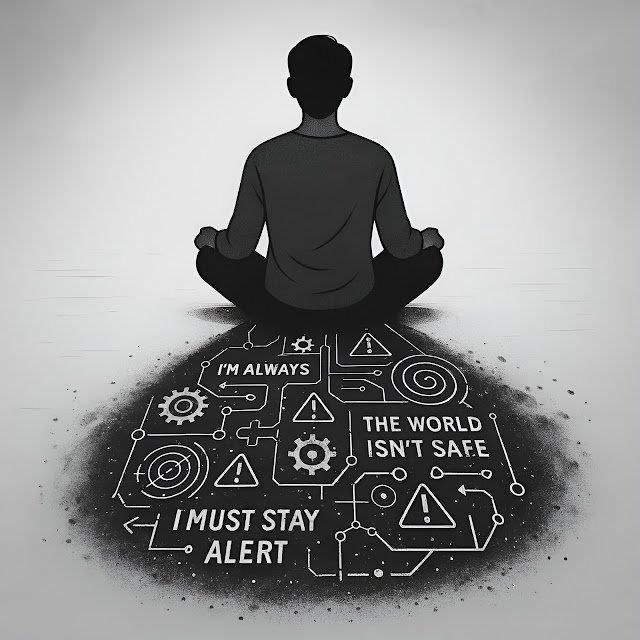
You’ve probably heard it before: just breathe, journal, go for a walk. These tools help — until they don’t. For many people with anxiety, it’s not about lack of coping strategies — it’s about an internal system that’s always scanning for threat. And that system isn’t just mental. It’s built on deep, identity-level beliefs like “I’m not safe,” “I’m not in control,” or “If I let my guard down, something bad will happen.” At ShiftGrit, we don’t stop at surface strategies. We trace anxiety back to what we call patterned beliefs — emotional reflexes stored in your nervous system that trigger automatic fear, worry, and overmanagement of daily life. These patterns don’t show up in logic. They show up in how your body reacts before your brain even catches up: tension, overthinking, shutting down, or always being “on.” And the truth is, until those patterns change, no tool — no matter how good — can fully regulate the system underneath. That’s why our Calgary Anxiety Therapy program goe...

Why Google Featured ShiftGrit in Calgary’s Top Anxiety Therapy Results

Image
If you’ve been searching for anxiety therapy in Calgary lately, you might’ve seen something new: Google’s AI Overview is now showing instant answers for mental health — and  ShiftGrit Psychology & Counselling  is right there in the top results. This isn’t an ad. It’s not paid placement. It’s Google’s own AI-generated overview of who offers anxiety therapy in Calgary — and ShiftGrit made the list. So how did we get there? And what does it actually mean for you if you’re trying to get real help for anxiety? Google’s AI Isn’t Ranking Ads — It’s Ranking Identity-Level Help Most therapy clinics talk about what they do . We talk about what changes . That’s because anxiety isn’t just something you manage. At its core, anxiety is often a pattern — a loop your nervous system runs because it once learned the world wasn’t safe. We target the belief behind the loop. And we recondition it. 🔗 Learn how: https://shiftgrit.com/calgary/anxiety-therapy/ The Belief Behind Mo...

You’ve Tried Everything for Anxiety — But Have You Tried Rewiring the Pattern?

Image
You’re doing everything right. Breathing exercises. Mindfulness. Journaling. Therapy. And yet… the anxiety loop keeps pulling you back in. What if the problem isn’t you? What if your nervous system is running a survival pattern your logical brain can’t override? It’s Not Just Anxiety. It’s a Pattern. At ShiftGrit Edmonton, we see this every day. Clients come in who’ve tried everything. And still — they feel stuck. Not because they’re doing it wrong… but because their system is doing exactly what it was patterned to do. We don’t treat the symptoms. We target the pattern behind them. The Belief That Keeps You in Survival Mode One of the most common identity-level loops driving anxiety is: “I’m in danger.” Even in safe moments, your body reacts like a threat is coming. Why? Because somewhere along the way, your nervous system learned: “Alert = Safe.” And now? It’s stuck on high. We Don’t Just Talk About the Pattern — We Rewire It Our Pattern Reconditioning protoc...

How We Integrate CBT, DBT, Schema, and ACT Into the ShiftGrit Core Method

Image
You’ve probably seen therapy models like CBT, DBT, ACT, or Schema Therapy listed on clinic websites. At ShiftGrit, we do something different. We don’t swap between models. We use a structured, identity-level method as our foundation — and integrate other therapeutic techniques when they serve the work. Think of our method as the cake. Other models? They’re the icing. 🧩 What This Looks Like in Practice: CBT strategies may help a client reinforce thought reframes after we’ve reprocessed the belief beneath them. DBT tools can offer emotional regulation between sessions where pattern activation is high. Schema Therapy helps us name long-standing emotional loops that feed the client's internal “pressure cooker.” ACT supports values-based action and defusion as clients step into new identity patterns. 📘 View the Full Framework: Integrated Therapy Modalities → 📄 PDF Download (for therapists or clients who want deeper insight): Download the Integrated Mo...

Patterns That Keep You Stuck — And How We Rewire Them

Image
  You’ve probably noticed it: The same reactions. The same shutdown. The same avoidance. At ShiftGrit, we don’t treat surface symptoms — we treat identity-level patterns . These are the belief-based loops that quietly drive how you think, feel, and act under stress. We’ve now made those patterns public. The ShiftGrit Pattern Library is a free client-facing resource that breaks down the six most common emotional and behavioural loops we see in therapy: Executive Dysfunction Procrastination & Avoidance Anger & Reactivity Shutdown & Numbness Perfectionism Threat Brain Activation Each pattern comes with SlideShares, downloadable PDFs, and a clear explanation of why it happens — and what we do about it.

What Emotional Dysregulation Actually Is — And Why It’s Not About Overreacting

Image
If you’ve ever thought, “Why am I this upset?” or “I overreact to everything,” you’re not alone — and you’re not broken. Emotional dysregulation isn’t a personality flaw. It’s a patterned threat response, locked into the part of your brain that reacts before your logic can speak. At ShiftGrit, our approach to emotional regulation therapy isn’t about suppression or coping — it’s about rewiring the belief system that keeps triggering the reaction. This SlideShare explains what’s really happening in the brain, and how therapy that works at the identity level leads to lasting calm: 📊 What Emotional Dysregulation Actually Is — And Why It’s Not About Overreacting (SlideShare) 📥 Download the PDF version: https://drive.google.com/file/d/1jwmNPcxA7lFZecmm9ORGvatSnk5oLFh4/view?usp=drive_link  

Why You Always Overreact — And What Anger Therapy in Calgary Can Actually Fix

Image
If you’ve ever snapped at someone and immediately regretted it — or felt like your reaction was way bigger than the situation — you’re not alone. We hear this constantly from clients in our Calgary therapy clinic: “I don’t know why I blew up. It’s like I wasn’t even in control.” That’s because anger outbursts usually aren’t about the moment — they’re about an old belief system triggered in real time. In this SlideShare, we break down the internal pattern behind reactivity — and how ShiftGrit’s anger therapy rewires the emotional brain for good: 📊 Why You Always Overreact — And What to Do Instead ( SlideShare ) Our Calgary-based therapy doesn’t just talk about anger — it reconditions the pattern that keeps it coming back.

Why ADHD Therapy Has to Go Deeper Than Focus — Edmonton Clients Deserve More Than Coping Tools

Image
Most ADHD therapy still treats the symptom — not the system. In Edmonton, we see countless clients who’ve been handed productivity tips or focus strategies… but still feel stuck. The issue isn’t their effort — it’s how their nervous system interprets threat. Our approach to ADHD therapy at ShiftGrit Edmonton is different. It starts with the belief system that keeps the shutdown loop alive.

Why ADHD Therapy Has to Go Deeper Than Focus — And What Actually Works

Image
Most ADHD therapy still treats the symptom — not the system. It focuses on time management, to-do lists, external structure.   But if you’ve ever frozen at the simplest task or spiraled into shame after a missed deadline, you know the issue isn’t motivation. It’s how your nervous system perceives threat. At ShiftGrit, our approach to ADHD therapy starts at the identity level — rewiring the belief system that tells your brain, *“This isn’t safe to start,”* or *“You always mess it up.”* Here are three core resources we use to help clients understand (and recondition) the executive dysfunction loop:

Why You Can’t Start — Even With a Perfect To-Do List

Image
You’ve organized the plan. You’ve broken it into steps. But your brain still says: Not now. That feeling? It’s not laziness. It’s called executive function shutdown —a pattern we see often in high-functioning adults with ADHD, burnout, or performance anxiety. At ShiftGrit, we work with clients who aren’t struggling to plan… they’re struggling to start. And that difference matters. When your nervous system perceives a task as threatening—even something as small as answering an email or booking an appointment—your emotional brain (the “Walnut Brain,” as we call it) can override your logical one. The result is paralysis, procrastination, and shame.\n\nThe kicker? The more structured your system is, the more frustrating this shutdown feels. Especially when you know you’re capable. What we’ve learned is this: when task systems collapse, it’s rarely a failure of willpower. It’s a learned pattern designed to avoid risk, failure, or emotional exposure. 🔄 In therapy, we help clients id...

Executive Dysfunction Isn’t Laziness — It’s a Pattern

Image
If you’ve ever said “I just can’t make myself start,” this is for you. At ShiftGrit, we work with people who are intelligent, driven, organized—and still stuck. They’ve built the plan. They know what to do. But the moment of action? Shutdown. What’s happening here is not a failure of willpower. It’s executive dysfunction —the brain’s way of protecting itself from perceived emotional threat. We see this often in high-functioning adults, especially those who’ve lived under pressure to perform, be perfect, or never fail. Over time, the brain wires a loop: trying = pressure, pressure = failure, so don’t try. \n\nIt’s not a conscious decision. It’s a learned survival response. In therapy, we help clients find the belief underneath the freeze. Maybe it’s “If I mess up, I’ll be judged.” Or “If I slow down, I’ll lose control.” Once identified, we recondition the pattern so the nervous system doesn’t read effort as threat. And when that happens? Clients start saying things like: “I did...