Posts

Showing posts with the label executive dysfunction

The 57 Limiting Beliefs That Keep You Stuck — And How We Map Them

Image
  Most therapy focuses on symptoms. We focus on the beliefs behind them . At ShiftGrit, we’ve mapped the 57 core limiting beliefs that silently shape how you think, react, and relate — even when you “know better.” These beliefs aren’t just thoughts. They’re identity-level rules your nervous system still believes. “I’m not good enough.” “If I start, I’ll fail.” “I always ruin things.” “I have to be perfect to be safe.” We’ve just published our official Core Belief Library — a structured reference for therapists, clients, and anyone tired of surface-level change. 📘 Explore the Library: 🔗 Full Belief Library → https://patterns.shiftgrit.com/core-beliefs 📄 PDF Edition for Calgary → https://calgarypsychology.info/core-belief-library 📄 PDF Edition for Edmonton → https://edmontonpsychology.com/core-belief-library 🧠 These 57 beliefs are just the start. We’ll be expanding the Pattern Library over time, so you can trace the deeper structure behind emotional ...
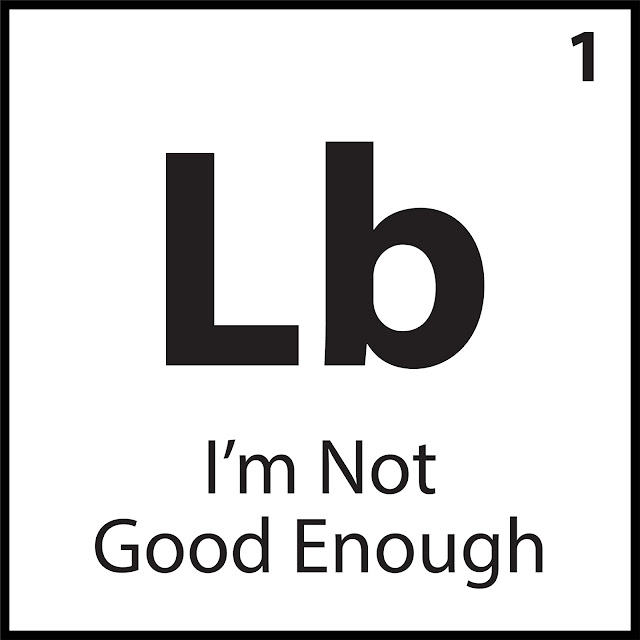
When Success Doesn’t Feel Real — Imposter Syndrome in Calgary

Image
You did everything right. You worked hard, earned your place, and maybe even hit a few big wins. So, why does it still feel like you're one mistake away from being discovered? That feeling isn’t just self-doubt — it’s imposter syndrome . And in Calgary, it’s more common than you think, especially among high performers, perfectionists, and people who care deeply about getting it right. At ShiftGrit, we understand imposter syndrome not just as a label, but as a pattern . A set of identity-level beliefs that quietly shape how you see yourself — and what you believe you deserve. Some of the most common beliefs we see behind imposter syndrome include: “I’m not good enough.” “I always fall short.” “I’m going to mess it up eventually.” “They’ll figure out I don’t belong.” These aren’t just thoughts. They’re internal rules your nervous system has learned to protect you from shame, failure, or being seen too closely. What We Do Differently Instead of just giving you conf...

Patterns That Keep You Stuck — And How We Rewire Them

Image
  You’ve probably noticed it: The same reactions. The same shutdown. The same avoidance. At ShiftGrit, we don’t treat surface symptoms — we treat identity-level patterns . These are the belief-based loops that quietly drive how you think, feel, and act under stress. We’ve now made those patterns public. The ShiftGrit Pattern Library is a free client-facing resource that breaks down the six most common emotional and behavioural loops we see in therapy: Executive Dysfunction Procrastination & Avoidance Anger & Reactivity Shutdown & Numbness Perfectionism Threat Brain Activation Each pattern comes with SlideShares, downloadable PDFs, and a clear explanation of why it happens — and what we do about it.

Why ADHD Therapy Has to Go Deeper Than Focus — Edmonton Clients Deserve More Than Coping Tools

Image
Most ADHD therapy still treats the symptom — not the system. In Edmonton, we see countless clients who’ve been handed productivity tips or focus strategies… but still feel stuck. The issue isn’t their effort — it’s how their nervous system interprets threat. Our approach to ADHD therapy at ShiftGrit Edmonton is different. It starts with the belief system that keeps the shutdown loop alive.

Why ADHD Therapy Has to Go Deeper Than Focus — And What Actually Works

Image
Most ADHD therapy still treats the symptom — not the system. It focuses on time management, to-do lists, external structure.   But if you’ve ever frozen at the simplest task or spiraled into shame after a missed deadline, you know the issue isn’t motivation. It’s how your nervous system perceives threat. At ShiftGrit, our approach to ADHD therapy starts at the identity level — rewiring the belief system that tells your brain, *“This isn’t safe to start,”* or *“You always mess it up.”* Here are three core resources we use to help clients understand (and recondition) the executive dysfunction loop:

Executive Dysfunction Isn’t Laziness — It’s a Pattern

Image
If you’ve ever said “I just can’t make myself start,” this is for you. At ShiftGrit, we work with people who are intelligent, driven, organized—and still stuck. They’ve built the plan. They know what to do. But the moment of action? Shutdown. What’s happening here is not a failure of willpower. It’s executive dysfunction —the brain’s way of protecting itself from perceived emotional threat. We see this often in high-functioning adults, especially those who’ve lived under pressure to perform, be perfect, or never fail. Over time, the brain wires a loop: trying = pressure, pressure = failure, so don’t try. \n\nIt’s not a conscious decision. It’s a learned survival response. In therapy, we help clients find the belief underneath the freeze. Maybe it’s “If I mess up, I’ll be judged.” Or “If I slow down, I’ll lose control.” Once identified, we recondition the pattern so the nervous system doesn’t read effort as threat. And when that happens? Clients start saying things like: “I did...

When You’re Burned Out But Still Masking — ADHD & Executive Dysfunction in Disguise

Image
Some people crash when they’re burned out. Others? They keep going—smiling, helping, organizing… and quietly falling apart inside. That second group is who we wrote this for. At ShiftGrit, we see a pattern often missed in traditional therapy: the overlap between ADHD and burnout in high-functioning adults. These clients aren’t lazy. They’re over-adapted. And their executive systems are shutting down.\n\nWhat that looks like:\n- You’re doing a lot—but never catching up You know the task—but can’t start it You’re emotionally numb, but still pushing through This isn’t just ADHD or stress. It’s an identity-level pattern: a loop where effort has been paired with pressure, fear, or failure. Over time, that loop creates the shutdown state we call executive dysfunction.\n\nIn therapy, we don’t just manage symptoms. We help clients recondition the beliefs that created the loop in the first place. 👉 Read the full breakdown: https://shiftgrit.com/adhd-burnout-overlap/ 📁 Get the ...

Why ADHD Makes You Wait Until It’s Urgent

Image
You want to start. You care about the task. But your brain won’t move — until the last minute. Sound familiar? At ShiftGrit, we work with clients who live in a cycle of ADHD procrastination. They’re not disorganized or undisciplined — they’re caught in a pattern of urgency, panic, avoidance, and shame. They don’t start because the task feels like a threat. They don’t stop because urgency becomes the only motivator. This blog explores how that loop forms, and how therapy can target the belief system beneath it — so you can move before the panic hits. Read the full blog: 👉 https://shiftgrit.com/adhd-procrastination-loop/ 📘 Want the full visual breakdown? Check out our procrastination loop map on SlideShare →

ADHD or Perfectionism? What If It’s Both?

Image
ADHD or Perfectionism? What If It’s Both? If you bounce between hyper-organization and mental chaos… If you feel like you either overdo it or avoid it completely… You might not be broken. You might be stuck in a loop between ADHD and perfectionism . At ShiftGrit, we work with high-functioning adults whose lives look successful—but internally, they’re exhausted by this tug-of-war. Why ADHD and Perfectionism Go Hand-in-Hand ADHD often shows up as: Distraction Forgetting things Starting but not finishing Impulsive decisions To manage the shame, fear, and overwhelm that follow? Many develop perfectionist coping strategies to stay in control. “If I’m flawless, I won’t mess up again.” “If I work hard enough, I’ll stop disappointing people.” It becomes a survival pattern —but it’s not sustainable. Eventually, the control breaks… and the cycle restarts. Why Tools Aren’t Enough You’ve probably tried the productivity apps, the checklists, the alarms. But your pe...

ADHD in Women Isn’t What You’ve Been Told

Image
She’s organized, empathetic, and high-functioning — until she’s not. What looks like perfectionism, people-pleasing, or emotional overwhelm might actually be ADHD that’s been masked for decades. At ShiftGrit, we work with women who’ve spent years being misdiagnosed or misunderstood, wondering why nothing ever fully worked. That’s because many women don’t present with hyperactivity — they present with survival strategies. Strategies like over-preparing, over-functioning, and smiling through burnout. We help recondition the pattern underneath all of it. 👉 Read the full blog: ADHD in Women – Why It’s Missed, Masked, and Misunderstood 📍 Learn more about identity-level therapy at ShiftGrit.com 📍 Serving Calgary & Edmonton — in person and online #ADHDinWomen #MisdiagnosedADHD #MaskedADHD #PeoplePleasing #IdentityTherapy #PatternTheory #ShiftGrit #ADHDTherapy

When ADHD Isn’t Just About Focus. It’s About Pattern

Image
You’ve tried the tools—planners, time trackers, dopamine hacks. And yet, you still find yourself stuck in the same cycle: “I know what I need to do… I just can’t get myself to do it.” At ShiftGrit Psychology & Counselling, we see this all the time in clients navigating ADHD. It’s not laziness or lack of insight. It’s a patterned internal system that your brain has wired over time to survive emotional pressure, perfectionism, or sensory overload. These aren’t character flaws. They’re survival loops. And that’s what makes them changeable. 🔄 Therapy That Reconditions the Pattern While most ADHD therapy focuses on strategies and structure, our approach starts deeper, at the identity level . With the right process, we’ve helped clients recondition core emotional loops like: “If I don’t feel pressure, I can’t focus.” “If I can’t do it perfectly, I won’t do it at all.” Using a structured therapeutic protocol, we help clients shift those patterns, not just manage them. ...